
Access to streaming inventory stopped being the problem. Here is the real cost stack of a first CTV campaign and how to tell whether it worked.

A wellness brand ran a story in Vogue. Underneath was an acquisition lesson most brands pay for and never learn — and why the placement is never the funnel.

Meta and Google treat age and gender as hints, not limits. When demographics still belong in an ad plan, and when they only shrink what the algorithm learns.

A year after The Trade Desk forked Prebid into OpenAds, a court ordered Google to plug its exchange into Prebid. What it means for buyer paths and fees.

Google bars health advertisers from remarketing and customer lists, and HIPAA limits what your tags send. How allergy clinics run Google Ads within both.

Andromeda is the first stage of Meta’s ad delivery, narrowing tens of millions of ads to a few thousand per person. What that changes for your targeting.

Search ads stall once existing demand runs out. How to spot the ceiling, what Google’s branded-search metric proves, and how to test video with a geo holdout.

Why relying on "proven" Facebook ad templates in 2026 is a strategy for mediocrity. Aragil explains the economics of creative divergence.

Performance Max is maturing for B2B. Learn why success in 2026 requires offline data integration, patience, and a shift from volume to signal density.

Platform ROAS counts the sales that followed an ad; incrementality testing counts the sales it caused. How lift studies, geo tests and mix models work.

Most marketing leaders say their social teams aren’t expert at proving impact. Which social results tie to revenue, and which are reach and attention.

Big companies now put AI spending through cost reviews and token budgets. What finance counts, how to build an AI business case, and which uses have evidence.
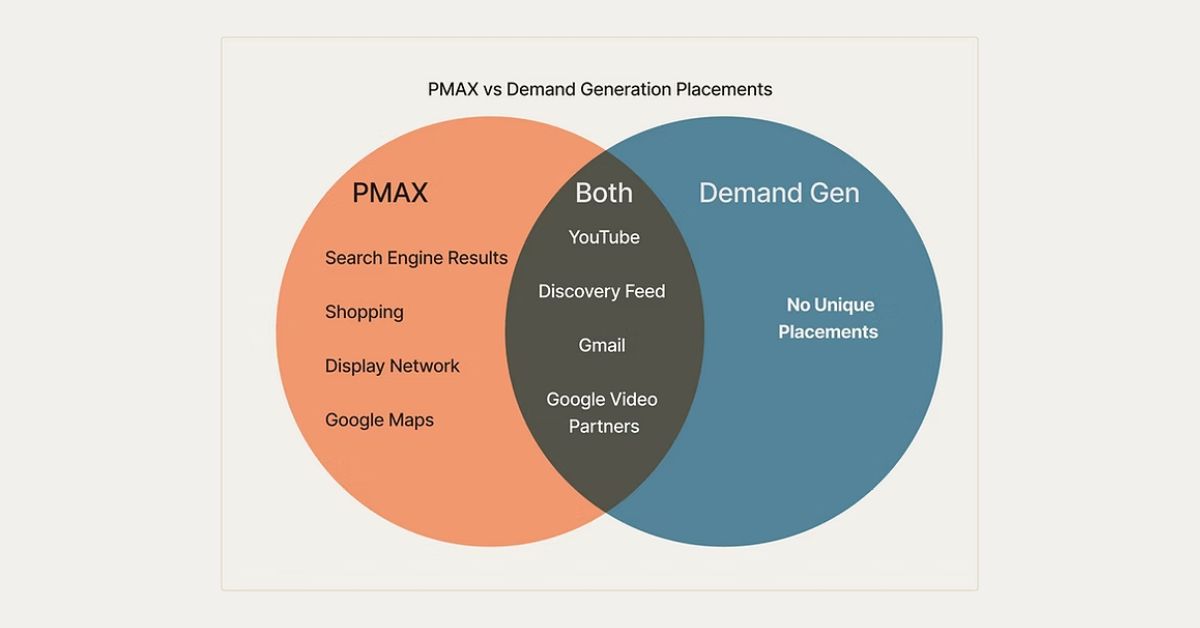
Performance Max can take credit for sales you would have made anyway. How to check it, how to split budget with Demand Gen, and which Google test to run.

Only about one weekly ChatGPT user in 18 pays for it. Ads fund the rest. What OpenAI’s business model gives you as an advertiser, and what it withholds.

OpenAI projects $25B in ad revenue by 2028. So far the money is not coming from search. Which budgets fund ChatGPT ads, and which should go next.

AI agents plan, buy and adjust ads inside Google, Meta, Amazon and DSPs. What they do alone, what still needs a person, and what to ask before one spends.

Binet and Field’s 60/40 rule, what later research changed for B2B, start-ups and online brands, and how to measure the brand share of your marketing budget.

Stop treating remarketing as a safety net. Learn how to use audience lists to train ad algorithms, improve incrementality, and lower blended CAC.

ChatGPT ads are open to self-serve CPC buying in 63 countries. What you can buy, what it costs, what went wrong early, and whether to test them.

Gen Z sits through ads but checks comments and creators before buying. Where that drains your budget, and four tests for creator ads, replies and checkout.

In-flight, waiting-room, rideshare, elevator and gas-pump screens: which captive-audience channel suits which goal, how each is bought and how to measure it.
Criteo cut its 2026 outlook while it builds for AI shopping assistants. Where it stands, and what agents mean for the retargeting and retail media you buy.
Meta expects to spend up to $145 billion on infrastructure in 2026. What that buys advertisers in ranking and automation, and the control they give up.

Retail media is a $71bn US market led by Amazon. What a brand buys on a retailer’s network, what its reports can prove, and when a small brand should skip it.

Reddit’s ad revenue rose 54% as brands chase community trust. How to build a community on Facebook, Discord or Reddit, what it costs and how to measure it.

Two US judges found Google an illegal monopolist in search and ad tech, but neither broke it up. What the remedies change for advertisers, and what stays.

Fanta turned Halloween into a 10 billion impression platform by borrowing horror icons, then building its own. Why it works, and how to apply it.

A judge put T-Mobile’s “over $1,000” savings at $228.84 a year. What US, EU and UK rules ask of a comparative ad, and checks to run before naming a rival.

Facing the programmatic DOOH learning curve? Vistar Media launches its free Vistar Academy to upskill marketers on strategy, targeting, and activation. Learn more.

Threads ads may already be running in your Meta campaigns. What you’re buying, what you can’t control, and how the placement report tells you to keep them.
US billboard revenue topped $3 billion in a quarter for the first time. How to buy digital OOH, write for road and rail, drive searches and measure results.

Pringles revived “Once You Pop” for Gen Z, who never heard it. How the campaign scored, why duck lips matter more than the jingle, and the brand-code lesson.

OpenAI retired ChatGPT Atlas in August 2026, but its agent lives on in ChatGPT. What is known about AI agents clicking ads and how to spot them in your data.

Samsung put ads on Family Hub fridges in 2025 and kept them after the backlash. Why owned screens are becoming ad inventory, and what to check before buying.
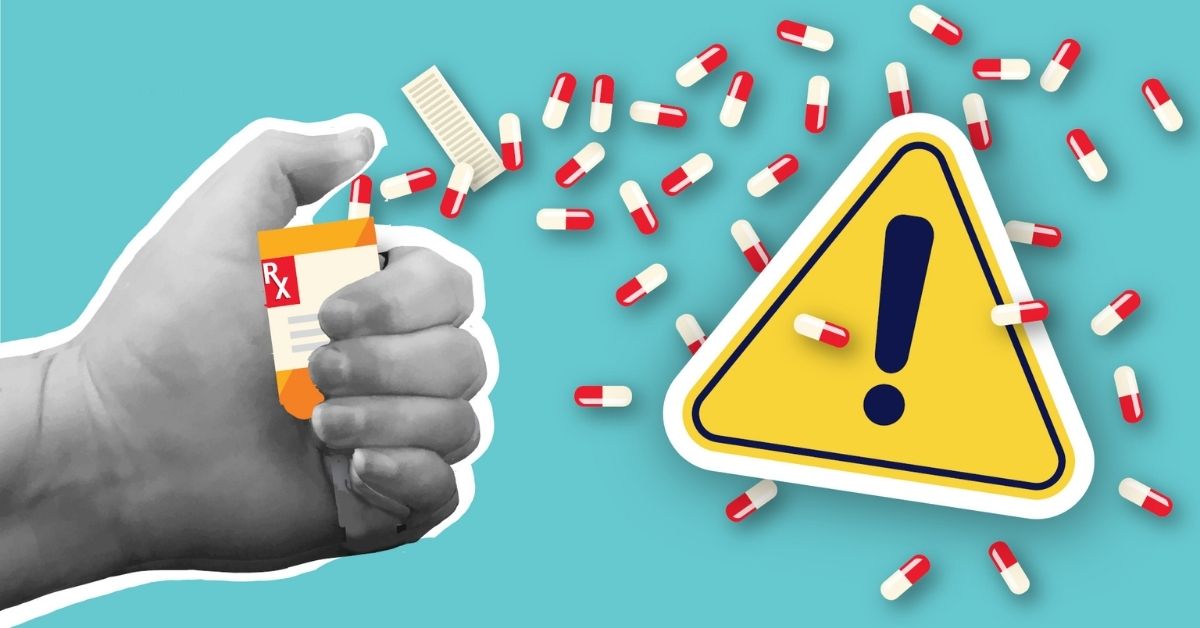
The Trump administration is cracking down on DTC drug ads, reverting to pre-1997 rules. Discover how this move could end TV drug commercials and spark a legal war.

Google and Meta write ad copy by default in 2026. What their tools generate, what a named study found about AI ads, and what to brief, lock and test.

A crypto firm put 70% of its performance budget on X. Then, by its account, a billing fault stopped its ads for months. The cost of relying on one channel.
Ad invoices run days late but months long. How float works in ad tech, who eats the loss when a middleman fails, and what to put in your contract.